
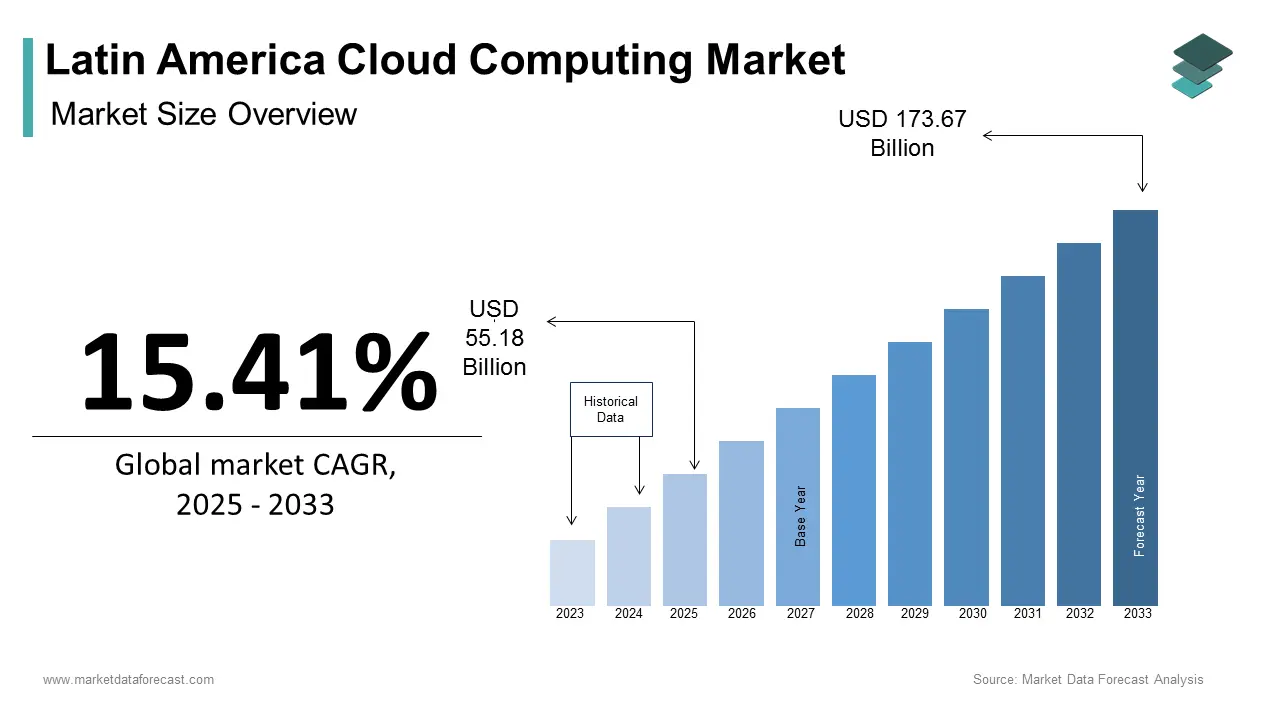
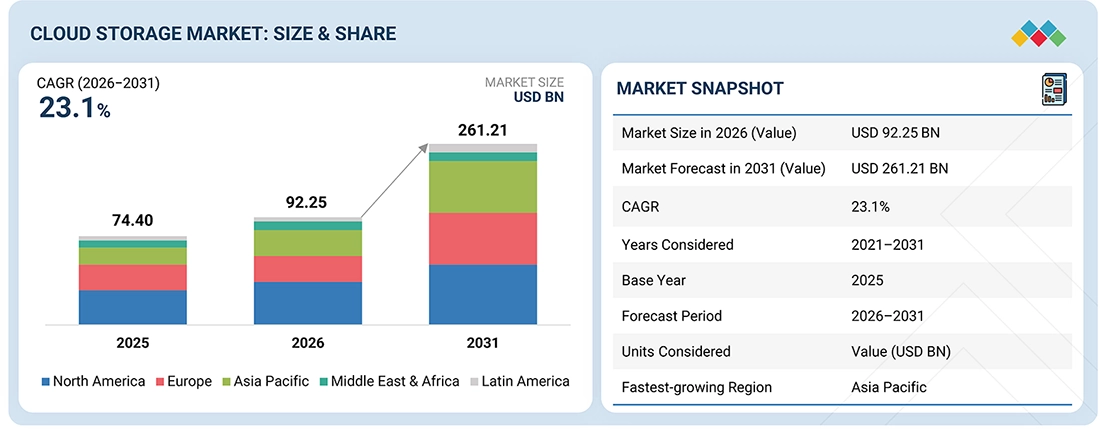
The cloud storage market in Latin America is projected to reach $92.25 billion by 2026, growing at a CAGR of 23.1%. Yet for many Caribbean enterprises, the promise of cloud economics has delivered something else entirely: unpredictable bills, hidden egress charges, and compliance uncertainty about where their data actually resides.
This article examines the true cost structure of cloud object storage and explains why Wasabi Hot Cloud Storage is reshaping the economics for data-intensive organizations across the Caribbean and LATAM.
The Egress Fee Problem
Hyperscale cloud providers typically charge for three distinct activities: storing data, accessing it (egress), and interacting with it via API requests. While storage pricing is prominently advertised, egress and API fees often represent the majority of the total cost of ownership.
For a Caribbean healthcare provider archiving medical imaging, or a financial institution retaining transaction records for regulatory purposes, data retrieval is not optional—it is a core operational requirement. When egress fees apply to every download, restore, or cross-region replication, the storage budget becomes unpredictable and often unmanageable.
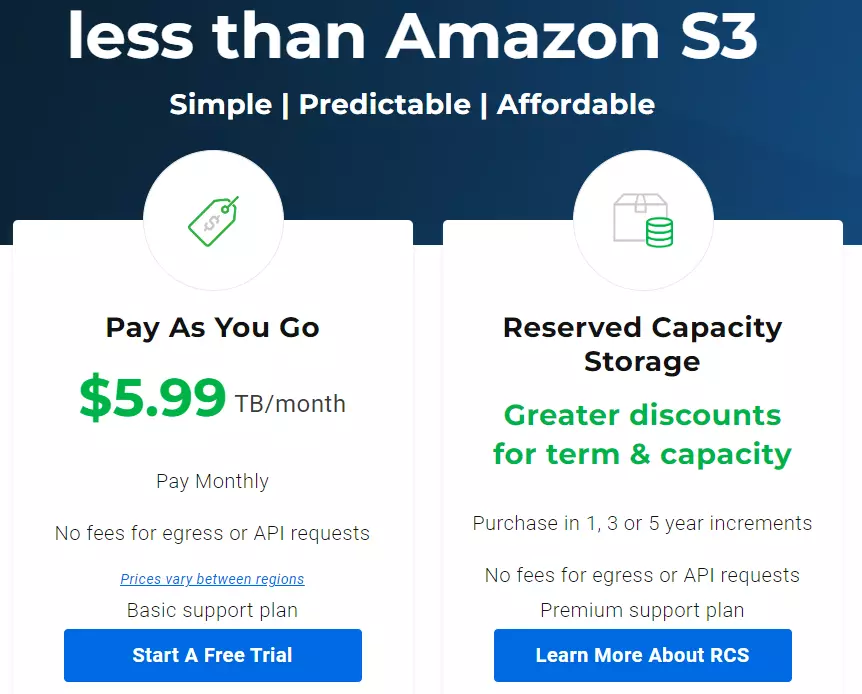
Wasabi eliminates this uncertainty with a single, flat-rate pricing model: $5.99 per terabyte per month. No egress fees. No API request fees. No tiering penalties. The data you store is the data you can retrieve—without financial friction.
Data Sovereignty in the Caribbean
Regulatory frameworks across the Caribbean and LATAM are increasingly explicit about data residency. Banking secrecy laws, healthcare data protection statutes, and national cybersecurity directives require that sensitive data remain within jurisdictional boundaries—or that cross-border transfers meet strict adequacy standards.
This creates a challenge for enterprises using global hyperscalers: data may be stored in a "region" that spans multiple countries, with replication to secondary locations for redundancy. The legal implications of this architecture are often unclear, and the compliance documentation insufficient for regulatory audits.
Wasabi addresses data sovereignty through geographically discrete storage regions with clear jurisdictional boundaries. Organizations can specify exactly where their data resides, satisfying local mandates while maintaining the durability and availability expected of enterprise-grade object storage.

Comparing True Storage Economics
When evaluating cloud storage options, enterprises should model the total cost of ownership over a 36-month period, including:
Storage fees: The advertised per-GB or per-TB rate.
Egress fees: Charges for data retrieval, typically $0.08–$0.12 per GB with hyperscalers.
API fees: Charges for PUT, GET, LIST, and DELETE operations.
Tiering penalties: Fees for moving data between storage classes, or minimum retention requirements.
Compliance costs: Legal review, audit preparation, and potential penalties for data residency violations.
For an organization storing 500 TB with moderate retrieval activity, the difference between a hyperscaler model and Wasabi's flat-rate approach can exceed $150,000 over three years—capital that can be reinvested in core business operations.
Use Cases Where Wasabi Excels
Certain workloads are particularly well-suited to Wasabi's economic model:
Media and entertainment archives: Large video files stored for long periods, retrieved frequently for editing, licensing, or distribution.
Healthcare imaging: PACS and DICOM data requiring immediate availability without retrieval penalties.
Financial records: Transaction logs and audit trails retained for 7–10 years, accessed regularly for compliance and investigation.
Backup and disaster recovery: Secondary copies of critical data that must be restorable in full, without egress charges eroding the recovery budget.
IoT and telemetry: High-volume sensor data ingested continuously, analyzed periodically, and retained for trend analysis.
Architectural Considerations
Migrating to Wasabi does not require abandoning existing workflows. The platform is fully compatible with the S3 API, enabling integration with existing backup applications, content management systems, and custom applications without code modification.
Key architectural decisions include:

Conclusion
Cloud storage should not be a source of financial uncertainty or compliance risk. For Caribbean enterprises navigating complex regulatory environments and managing data-intensive operations, the combination of predictable pricing, clear data sovereignty, and S3-compatible architecture represents a genuine alternative to hyperscaler complexity.
Wasabi provides the economic foundation. The strategic implementation—ensuring compliance, optimizing architecture, and integrating with existing workflows—comes from partnering with specialists who understand both the technology and the regional landscape.
Talk to V-Corp about a Cloud Storage Cost Review
Our cloud solutions team models your current and projected storage requirements against Wasabi's pricing, delivering a total cost of ownership comparison and a migration roadmap aligned to your compliance obligations.
Published by V-Corp International — Your Technology Partner Across LATAM & the Caribbean.