Despite billions invested in next-generation firewalls, endpoint detection, and zero-trust architectures, one statistic has remained stubbornly consistent: over 90% of successful cyberattacks begin with an email.
Not a sophisticated exploit. Not a zero-day vulnerability. An email.
For banking and healthcare organizations across LATAM and the Caribbean, this reality demands a fundamental reassessment of where security investments deliver the highest return. This article examines why the human layer — the inbox — remains the decisive battlefield, and how Barracuda's AI-driven email security platform is engineered to defend it.
The Anatomy of a Modern Phishing Attack
Today's phishing campaigns bear little resemblance to the clumsy, grammatically broken messages of a decade ago. Modern attackers employ:
- Spear-phishing: Highly personalized emails referencing real colleagues, projects, or vendors, harvested from social media and previous breaches.
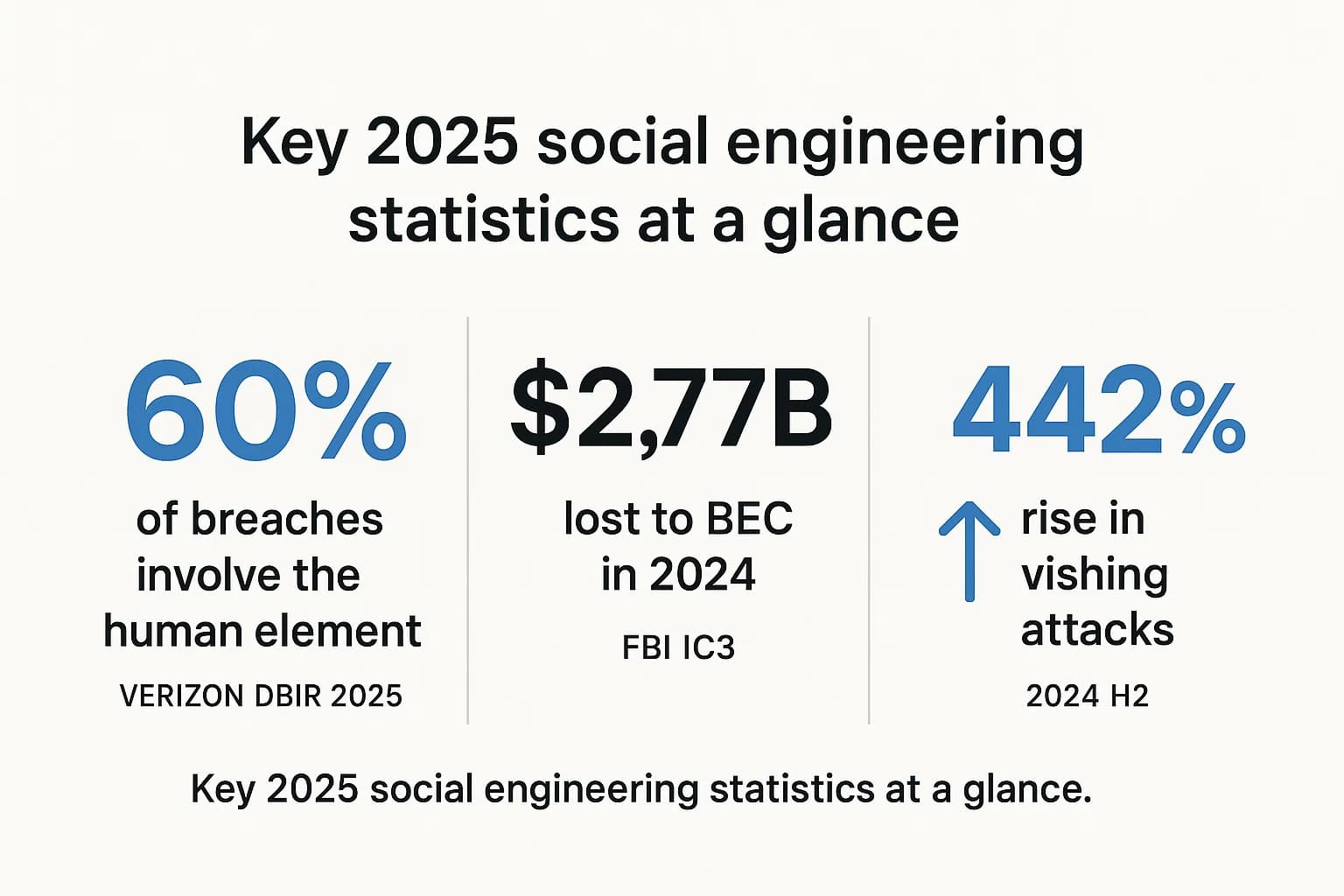
- Business Email Compromise (BEC): Impersonation of executives or suppliers to authorize fraudulent wire transfers. The FBI estimates BEC losses exceed $2.7 billion annually.
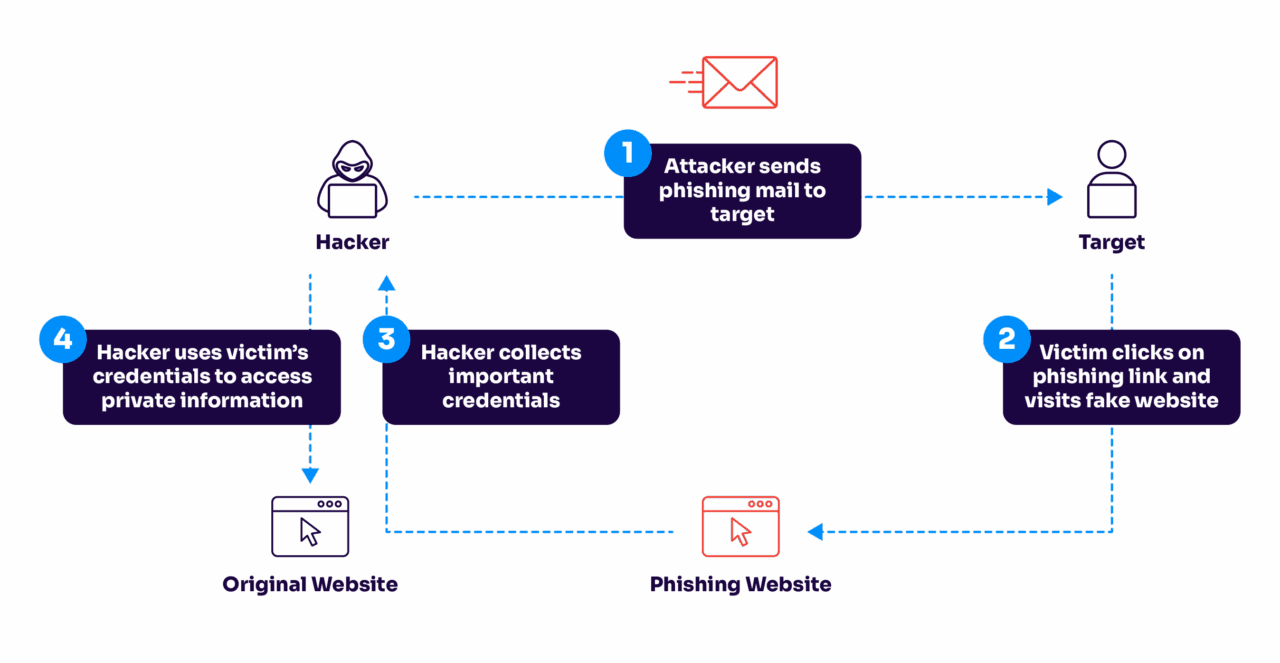
- Credential harvesting: Fake login pages indistinguishable from legitimate portals, often hosted on compromised infrastructure with valid SSL certificates.
- Social engineering at scale: AI-generated content that adapts tone, language, and urgency based on target profiles.
The common thread? Every attack depends on a human action — a click, a reply, an attachment opened in good faith.
Why Traditional Defenses Fail
Legacy email security relies on static rules: blocklists, signature-based detection, and basic keyword filtering. These approaches fail against modern threats for three reasons:
- Speed of mutation. Attackers rotate domains, IPs, and message content faster than signature databases update.
- Legitimate infrastructure abuse. Threat actors increasingly host phishing pages on trusted cloud services (Microsoft 365, AWS, Google Cloud) that bypass reputation-based filters.
- Context blindness. Traditional gateways cannot distinguish between a legitimate invoice from a known vendor and a spoofed version with altered wire instructions.
Barracuda's AI-Driven Approach
Barracuda Email Protection replaces static defense with continuous, adaptive intelligence:
- Machine learning models analyze communication patterns, writing style, and metadata to detect anomalies invisible to rule-based systems.
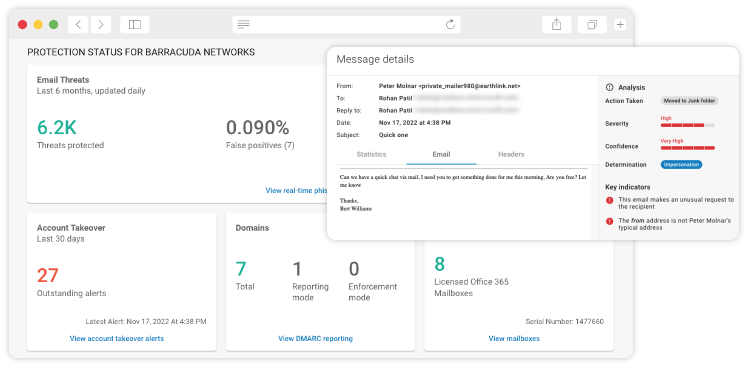
- Account takeover protection monitors login behavior and flags compromised credentials before they are weaponized.
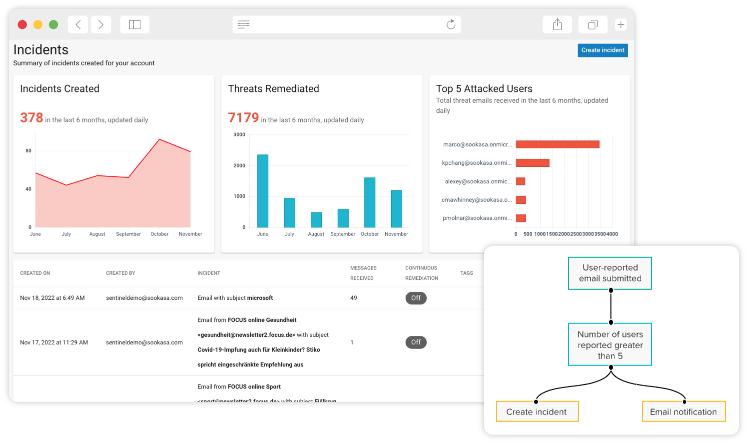
- Automated incident response quarantines threats and remediates affected inboxes without manual intervention.
- Domain fraud protection validates sender identity through DMARC, DKIM, and SPF enforcement — preventing exact-domain and lookalike-domain spoofing.
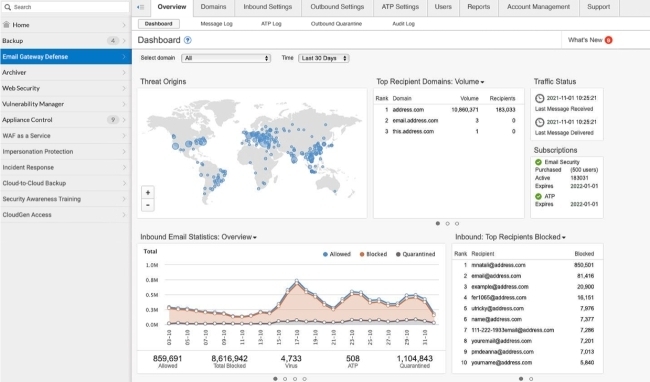
Crucially, Barracuda does not merely block threats. It provides forensic visibility into attack chains, enabling security teams to understand how an email entered the environment, who was targeted, and what would have happened if the message had reached the user.
The Regulatory Imperative
For regulated industries, email security is not optional. Banking regulators and healthcare authorities across LATAM increasingly mandate:
- Documented email retention and archiving policies
- Proof of anti-phishing controls
- Incident response procedures for email-borne breaches
Barracuda's compliance-aligned archiving and e-discovery capabilities ensure that security and regulatory requirements are satisfied through a unified platform.
Building a Layered Email Defense
Effective email security requires depth. Organizations should implement:
- Gateway filtering — Stop known threats at the perimeter.
- AI-based detection — Identify novel and polymorphic attacks.
- User awareness training — Equip employees to recognize sophisticated lures.
- Post-delivery protection — Detect and remediate threats that evade initial filters.
- Automated response — Contain breaches in minutes, not hours.
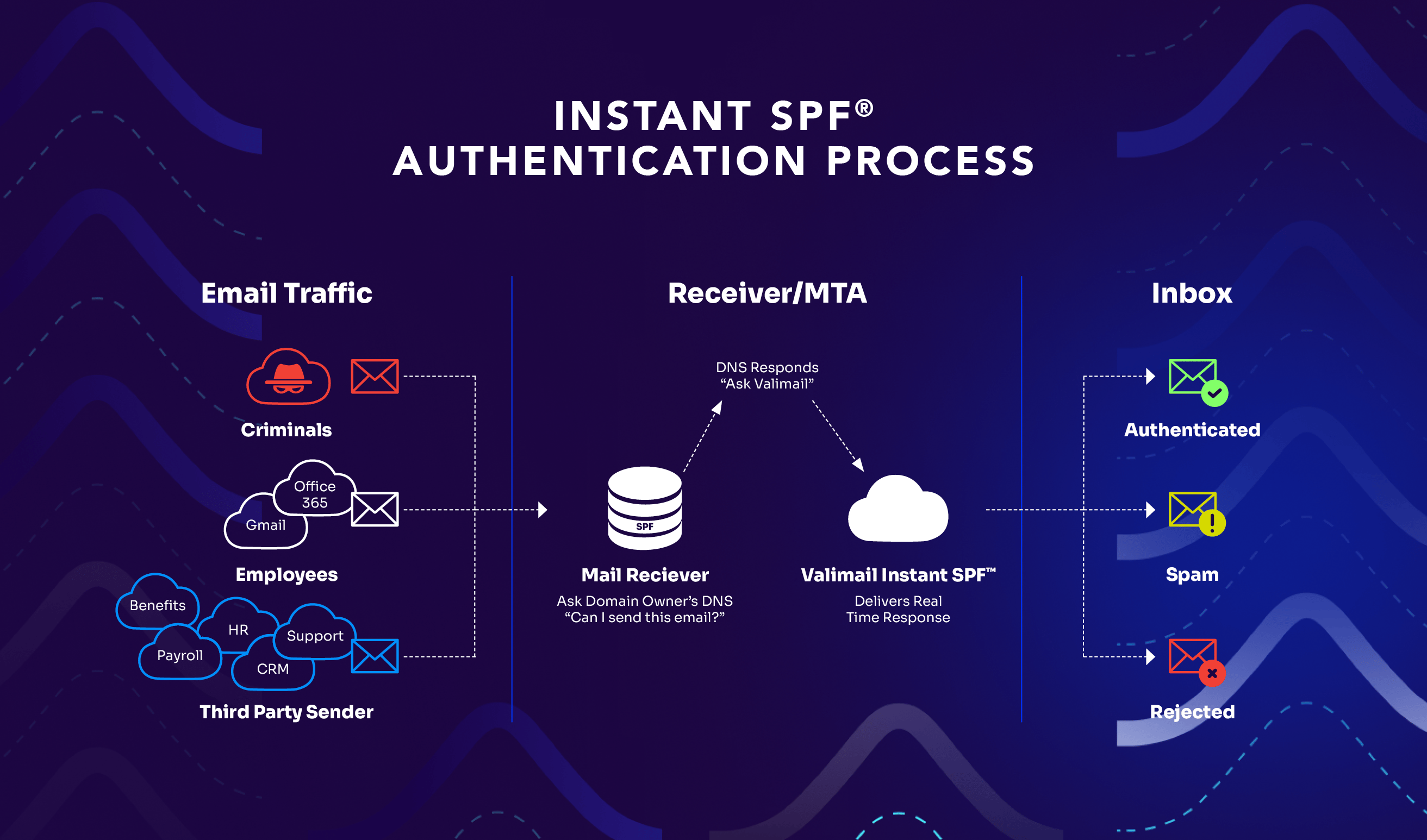
Barracuda integrates each layer into a single, cloud-managed platform — reducing complexity while improving efficacy.
Conclusion
Technology will continue to advance. Firewalls will become smarter. Endpoints will become more resilient. Yet as long as humans process information, email will remain the most efficient vector for compromise.
The organizations that accept this reality — and invest proportionally in inbox-level defense — will be the ones that withstand the next wave of attacks.
[Request a Barracuda Email Threat Scan from V-Corp] (https://cal.com/sales-vcorp-international/45min)
Our security team analyzes your current email posture against real-world attack patterns and delivers a prioritized remediation roadmap.
Published by V-Corp International — Your Technology Partner Across LATAM & the Caribbean.